WhatApp
+86-15522676451WhatApp
+86-15522676451
Increased prolonged high temperatures reshape the planning, operation and maintenance logic of water supply systems. During hot and dry seasons, water consumption surges in agriculture, municipal living and industrial production. Meanwhile, available water resources shrink sharply, which raises higher standards for the efficiency and stability of water delivery pipelines.
For most water projects, the core difficulty is no longer securing sufficient water sources, but transporting water safely, efficiently and with low water loss. Therefore, pipeline infrastructure has become a core component of modern water resource management.
Heat Is Increasing Pressure on Water Networks
High temperature boosts water demand from farming, urban residents and factories. Meanwhile, aging and poorly maintained pipelines are prone to leakage, pressure drop and rupture. Tiny water waste will bring severe consequences under hot drought conditions, highlighting the necessity of stable pipeline operation.
Pipeline Upgrades Are Becoming More Important
Pipeline renovation has turned into a key part of long-term water infrastructure layout. Instead of passive maintenance after breakdowns, more projects prioritize overall system stability, leakage reduction, constant water pressure and lower later maintenance costs.
Proper selection of pipe material, pressure grade, pipe diameter and connection mode can greatly lift water delivery efficiency and cut potential maintenance risks. Scientifically designed pipeline systems deliver steady water pressure, precise flow control and extended service life.
HDPE and PVC Pipes in Modern Water Infrastructure
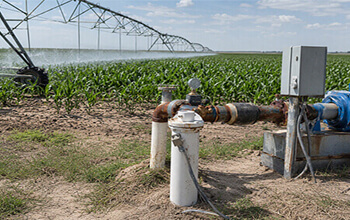
HDPE pipes are extensively applied in municipal water supply, farm irrigation, mine water transportation, industrial water circulation and long-distance water diversion projects. Featuring excellent flexibility, anti-corrosion property, impact resistance and tight welded joints, HDPE pipes adapt to various harsh working environments. In agricultural irrigation, HDPE pipelines guarantee stable water conveyance from reservoirs to farmland and facilitate precise water consumption control.
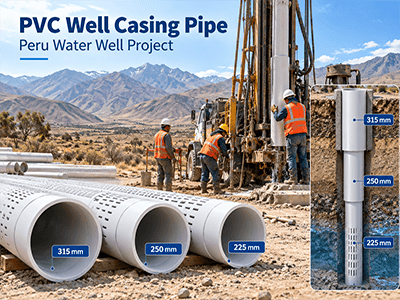
PVC products also occupy an essential position in water infrastructure. PVC-U pipes are widely adopted for water supply, drainage and irrigation thanks to light weight, corrosion resistance and simple installation. In groundwater exploitation, PVC well casing and screen pipes support well walls and filter aquifer water. For regions suffering seasonal water shortage, intact well pipe systems guarantee stable domestic and farming water supply.
Choosing the Right Pipe System for Long-Term Performance
Pipeline upgrading is more than simple pipe replacement; it aims to build climate-resilient water supply networks. Qualified pipelines minimize water leakage, sustain stable pressure, optimize water distribution and maximize utilization of limited water resources.
Contractors, project investors and water management authorities shall select pipelines according to actual site conditions. Key factors to evaluate include water pressure, flow volume, soil texture, buried depth, temperature fluctuation, connection process and design service life.
High-temperature weather alerts the water infrastructure industry to attach importance to pipeline reliability. No matter municipal water supply, farm irrigation, groundwater wells, drainage or industrial water delivery, pipelines lay the fundamental guarantee for long-term water safety.
Selecting qualified HDPE or PVC pipes is not merely a material choice, but a long-term investment for high efficiency, stable performance and sustainable water infrastructure development.
We are not only a product manufacturer, also a solution provider, whether you have a Question or Request For Quotations, we're here to help.